Funky Funny Playful Font Review
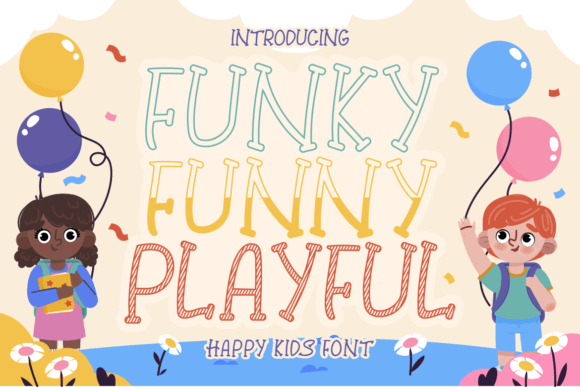
There I was, staring at a blank brand board, trying to find the right tone for a new children's boutique. The client wanted something that felt playful, energetic, and full of life. That’s when I reached for Funky Funny Playful, a display font that promises to bring a sense of joy and whimsy to any design project.
Funky Funny Playful for Logo Design and Brand Identity
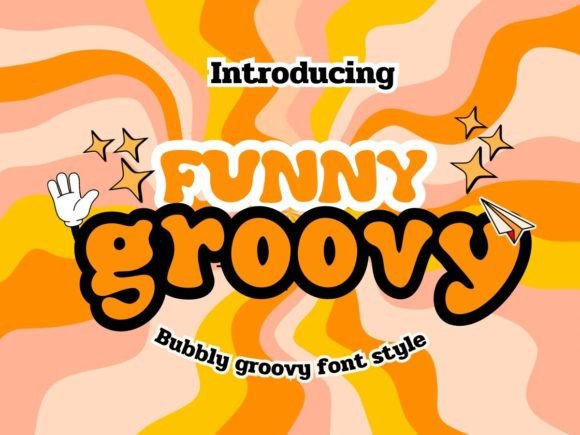
Funky Funny Playful is a premium font that feels like it was made for logo design and brand identity work. Its bold, bubbly letters have a hand-drawn quality that gives it a personal, almost artisanal feel. When I tested it on a logo concept for a kids’ clothing line, it immediately brought a sense of fun and spontaneity to the table.
The font’s unique shapes and exaggerated curves make it stand out in a crowded market. It’s not subtle, but that’s part of its charm. It works best as a headline or accent font, where it can shine without overwhelming the rest of the design. In a brand board, it pairs well with clean, modern sans serifs for balance, but it also holds its own when used alone.
Funky Funny Playful for Packaging Design and Product Labels
When I placed Funky Funny Playful on a packaging mockup for a handmade soap brand, it added an instant burst of personality. The font’s playful nature made the product feel more approachable and less corporate. It worked especially well on labels, where the short phrases and bold lettering caught the eye and invited closer inspection.
However, I noticed that in smaller sizes, some of the details got lost. The font is best suited for larger text, like headlines or product names, rather than body copy. For packaging, it’s ideal for accents or secondary text, not for long descriptions. Still, in the right context, it can make a product feel more engaging and memorable.
Funky Funny Playful for Social Media Graphics and Web Headers
On social media layouts, Funky Funny Playful really comes into its own. I used it for a post promoting a local bakery’s seasonal menu, and it added a fresh, lively energy to the design. The font’s dynamic look paired well with bright colors and playful illustrations, creating a cohesive and inviting visual style.
In web design, it’s perfect for hero sections or section headers. It adds a sense of movement and excitement that other fonts might not. But again, it’s important to use it sparingly. Too much of it can feel chaotic, so I recommend using it as a focal point rather than a background element.
Funky Funny Playful for Business Cards and Print Materials
Testing Funky Funny Playful on a business card for a creative studio, I found it to be both striking and professional. The font’s boldness gave the card a strong first impression, while its playful elements kept it from feeling too rigid. It worked well with a simple, minimalistic design, letting the font take center stage.
For printed materials like flyers or posters, it’s a great choice when you want to grab attention. However, it’s not the best option for long-form content. If you’re designing a brochure or a booklet, you’ll need to pair it with a more readable typeface to maintain clarity and readability.
Funky Funny Playful for Creative Projects and Brand Consistency
One thing I appreciated about Funky Funny Playful is how it helped maintain brand consistency across different touchpoints. Whether it was a website header, a social media post, or a product label, the font provided a unifying visual thread that tied everything together. It made the brand feel more cohesive and intentional.
That said, it’s important to consider the audience when using this font. It’s best suited for younger demographics or brands targeting a fun, casual vibe. For more formal or traditional businesses, it might not align with the desired tone. Always test it in the context of your specific project before finalizing any designs.
Before using Funky Funny Playful in client work, I always recommend testing it in different sizes, weights, and contexts. This helps ensure it works well across all platforms and mediums. Also, check the licensing terms to make sure it’s suitable for commercial use, especially if you're designing for print, digital products, or online templates.